Used Honda CR-V
CVT Transmission
for Sale
Low-mileage CVT transmissions for 2015–2022 Honda CR-V. Start clutch inspected, HCF-2 fluid verified, FWD and AWD available. Ships nationwide with a 90-day warranty.
Honda CR-V CVT by Model Year
The CR-V CVT design evolved across generations. The 2017–2019 fifth-gen models have the highest replacement demand. Always provide your year and drivetrain for exact fitment confirmation.
Honda CR-V CVT Specs by Generation
| Generation | Years | Engine | CVT Type | Drivetrain | Fluid | Known Issues |
|---|---|---|---|---|---|---|
| 4th Gen | 2015–2016 | 2.4L K24W2 | CVT / 6AT | FWD & AWD | HCF-2 | TCM recall |
| 5th Gen Most replaced | 2017–2022 | 1.5L L15BE Turbo | CVT | FWD & AWD | HCF-2 | Start clutch · Oil dilution |
| 6th Gen | 2023–present | 1.5L L15BE Turbo | Updated CVT | FWD & AWD | HCF-2 | Improved design |
Honda CR-V CVT Compatibility by Year
| Year | Trim | Engine | Trans Type | FWD Available | AWD Available | Notes |
|---|---|---|---|---|---|---|
| 2015–2016 | LX, EX, EX-L, Touring | 2.4L NA | CVT | ✓ | ✓ | Honda extended warranty applies |
| 2017–2018 | LX, EX, EX-L, Touring | 1.5L Turbo | CVT | ✓ | ✓ | Highest failure rate · TSB 17-050 |
| 2019–2020 | LX, EX, EX-L, Touring | 1.5L Turbo | CVT | ✓ | ✓ | Improved but complaints continue |
| 2021–2022 | LX, EX, EX-L, Sport, Touring | 1.5L Turbo | CVT | ✓ | ✓ | Updated calibration |
| 2023+ | LX, EX, Sport, EX-L, Touring | 1.5L Turbo | Updated CVT | ✓ | ✓ | Call for availability |
Common Honda CR-V CVT Failure Modes
Honda issued multiple TSBs acknowledging these issues. NHTSA opened investigation PE17023 on 2015–2018 CR-V transmissions. Here are the documented failure patterns.
How to Buy Your Honda CR-V CVT
Why Buy Your Honda CR-V CVT from YND Autoparts?
The Complete Guide to Honda CR-V CVT Replacement
What Makes the Honda CR-V CVT Different from Other CVTs?
Unlike Nissan's belt-and-pulley CVT or Subaru's chain-based Lineartronic, Honda's CVT uses a start clutch mechanism instead of a torque converter. This design was chosen for efficiency and smooth low-speed engagement, but the start clutch has proven to be a weak point on 5th-generation CR-V models — particularly those used in stop-and-go city driving where the start clutch is engaged and released repeatedly.
The CR-V CVT also integrates directly with the AWD system on all-wheel-drive models. This means the FWD and AWD CVT units have different output shaft configurations and are not interchangeable.
The 2017–2019 Honda CR-V CVT Problem — What Happened
When Honda redesigned the CR-V for 2017 with the new 1.5L turbocharged engine, the CVT experienced new stress patterns it wasn't fully calibrated for. Owners began reporting CVT juddering and shuddering during low-speed acceleration, particularly in the 2017 and 2018 model years.
Honda's investigation found that CVT fluid deteriorating under heat loads was the primary driver — combined with start clutch wear that was accelerated by the new engine's torque delivery. Honda responded with three TSBs:
- TSB 17-050: CR-V judder and shudder — prescribed CVT fluid drain-and-fill with updated HCF-2 plus TCM software calibration update.
- TSB 18-089: Expanded coverage to include harsh shifting and delayed engagement, adding start clutch inspection to the diagnostic protocol.
- TSB 19-070: Covered persistent shudder not resolved by fluid changes — authorized torque converter and start clutch replacement under warranty.
Many 2017–2019 CR-V owners are now beyond warranty coverage and facing full CVT replacement costs. A quality low-mileage used CVT is the most cost-effective solution for this generation.
Honda HCF-2 — The Only Fluid You Should Use
Honda's own manual explicitly states that damage from non-HCF-2 fluid is not covered under warranty. The CR-V CVT is engineered around the specific friction characteristics of HCF-2 fluid. Using a generic multi-vehicle CVT fluid or mixing fluids causes accelerated start clutch wear and shuddering.
The HCF-2 fluid change interval is every 30,000 miles. This is the single most important maintenance item for extending the life of any Honda CVT — new or replacement unit.
Is It Worth Repairing the Start Clutch vs. Replacing the CVT?
For 2017–2019 CR-Vs with start clutch wear, the repair options are:
- Start clutch replacement only: $800–$1,800 depending on labor. Addresses the immediate failure but doesn't address belt/pulley wear from the same degraded fluid conditions.
- Full CVT replacement with a used unit: $1,000–$2,500 for the part. Gives you a clean unit without the wear history of the failed transmission.
- Dealer rebuilt/remanufactured: $3,500–$5,500+. Most expensive but addresses all known failure points.
For most owners, a quality low-mileage used CVT replacement is the best value — especially when the original unit has confirmed start clutch damage that may have also stressed other internal components.
What Honda CR-V Owners Say
"Dealer wanted $4,600 to replace the CVT in my CR-V. Called YND Autoparts, confirmed the AWD 2018 unit, and they had it shipped to Florida in 4 days. Mechanic installed it, no shudder, shifts perfectly."
"Start clutch was gone on my 2017 CR-V at 72k miles. YND Autoparts found a lower mileage unit, reminded me to use HCF-2 fluid only after installation. Shipped to New Jersey in 3 days. Runs like new."
"CVT was juddering badly. Tried the TSB fluid change — didn't fix it. YND Autoparts confirmed it was the start clutch, sourced a 2019 AWD unit with lower mileage. Arrived in California on time. Great team."
Frequently Asked Questions
Request a Free Quote on Your CR-V CVT
Year and drivetrain (FWD vs AWD) are the most critical details. A VIN eliminates all guesswork.
Need it faster? Call: (747) 400-2996
Fix your CR-V CVT today:
Call (747) 400-2996Real Parts From Our Warehouse
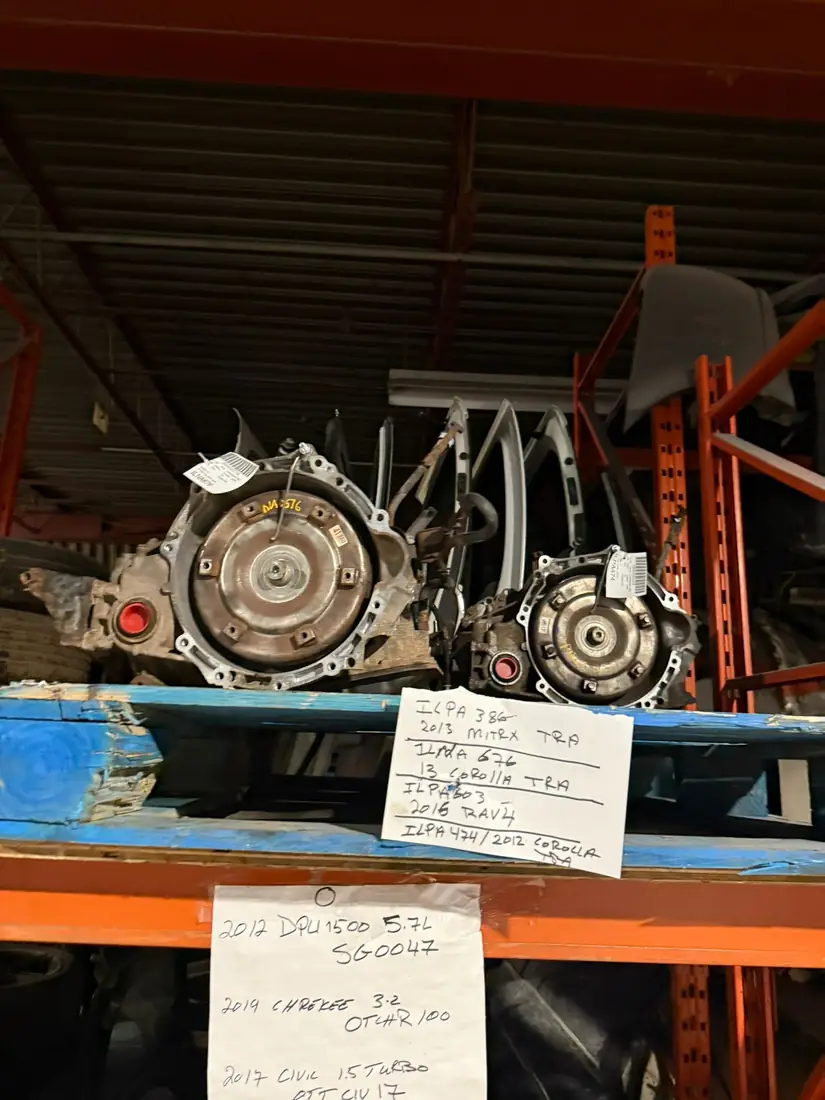
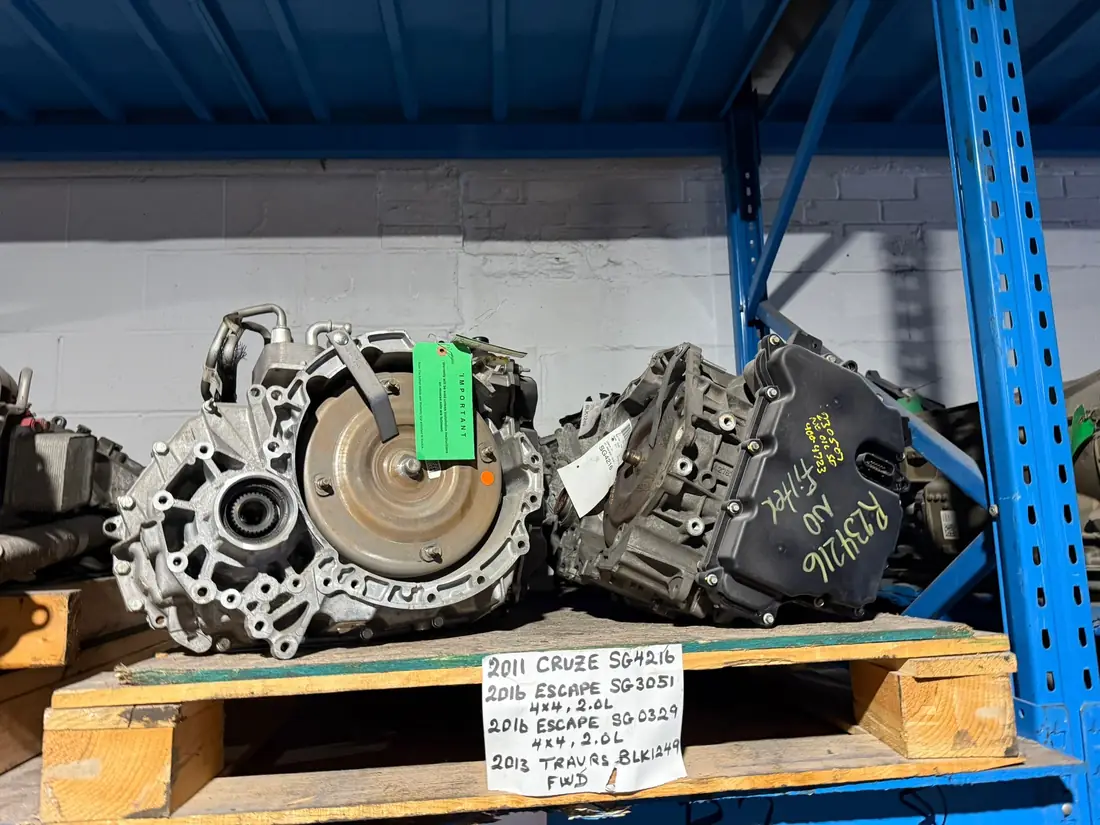
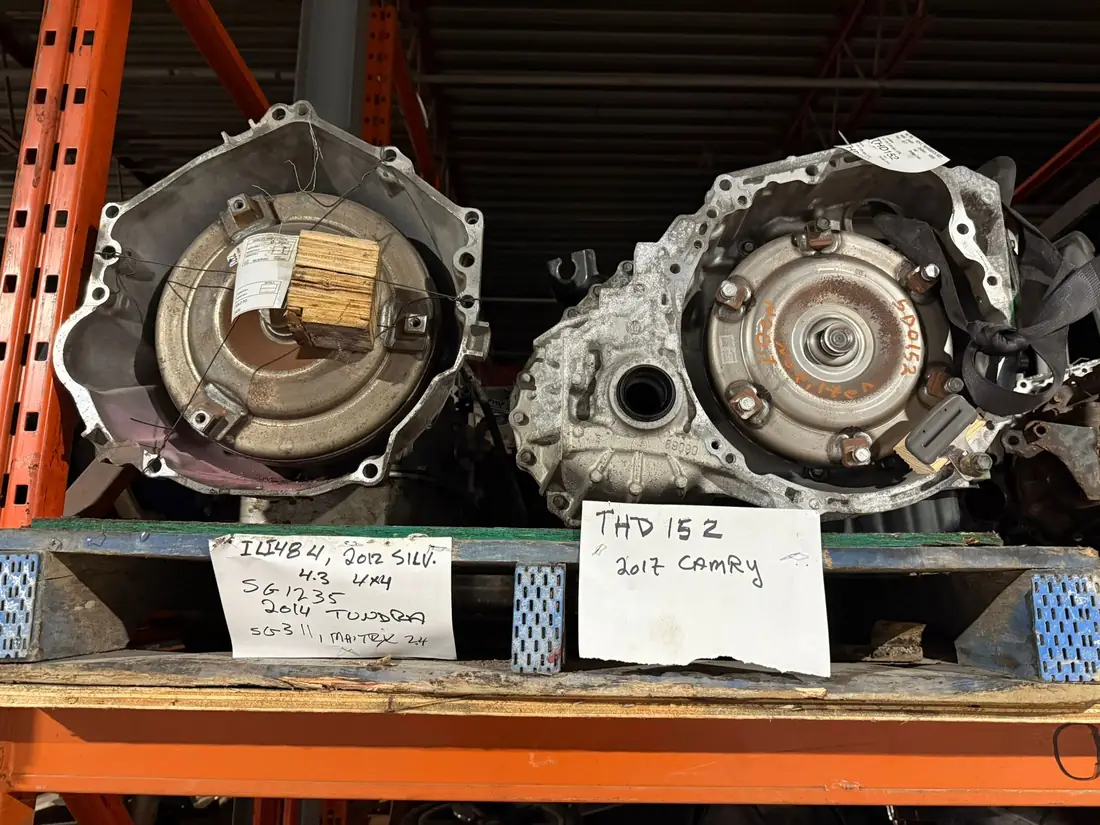
Actual engines and transmissions from YND Autoparts stock. Your exact unit is matched to your VIN before it ships.